
Skip to content

Be Safe


Prepare

There are things you can do now to be safe when an earthquake happens.
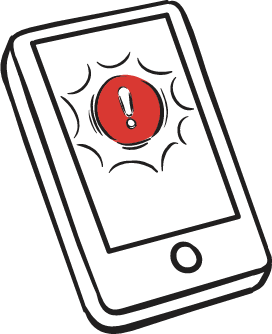
Check your phone’s settings and ensure multiple ways to get alerts.
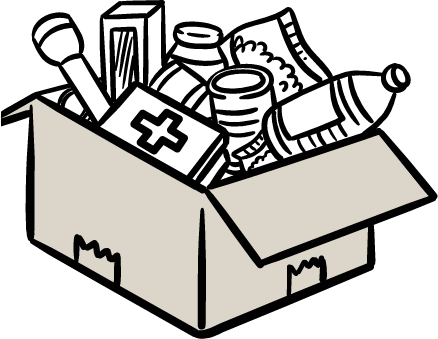
Reduce hazards around you, gather what you may need to evacuate or shelter in place and develop a household emergency plan.
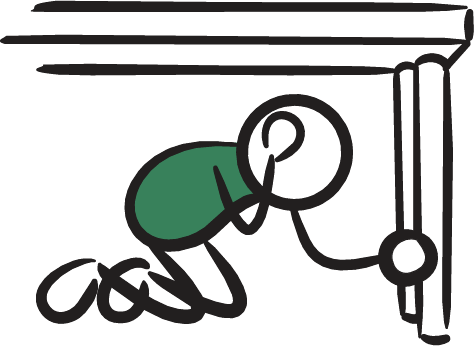
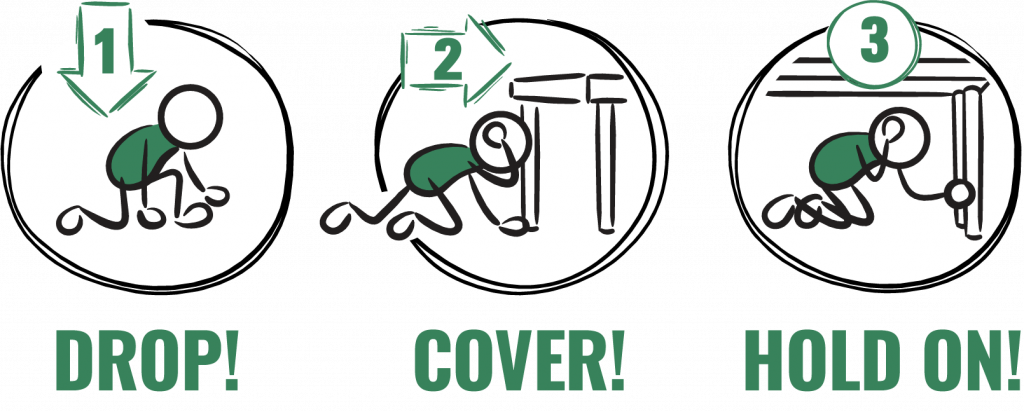
Practice Drop, Cover, and Hold On so you’re ready to act when you feel shaking or get an alert.


Help Your Community Prepare! 

Respond

There are ways you can be safe during an earthquake in different environments.

In many cases, the protective action is to Drop, Cover, and Hold On (preferably under a nearby table or desk), but protective actions can look different for different situations. You may need to take a modified protective action.


Examples of Modified Protective Actions
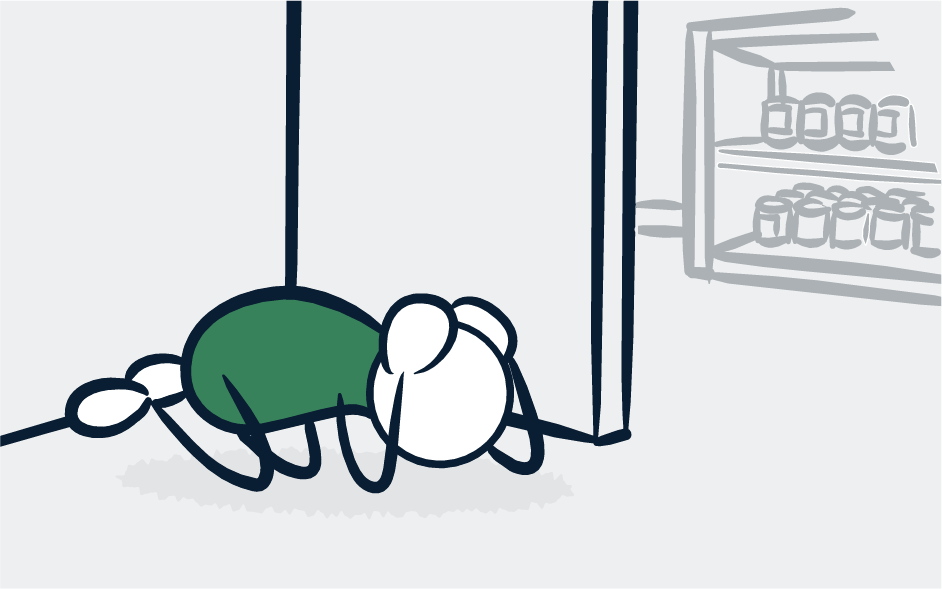
No table or desk nearby? Crawl next to an inside wall and cover your head and neck with your arms and hands. Hold on until shaking stops.
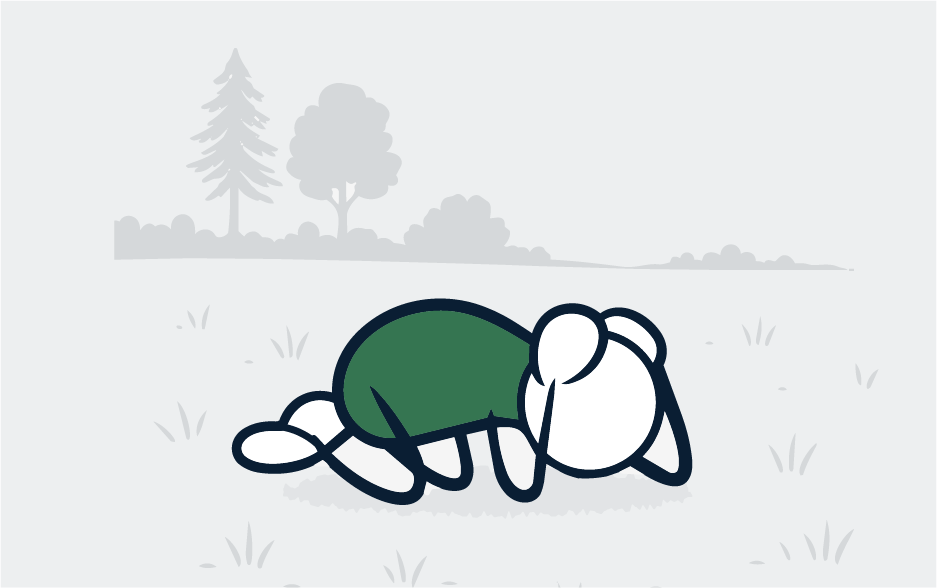
Move to an open space, away from buildings and tall objects. Know the signs in nature that may signal that strong shaking may be approaching.
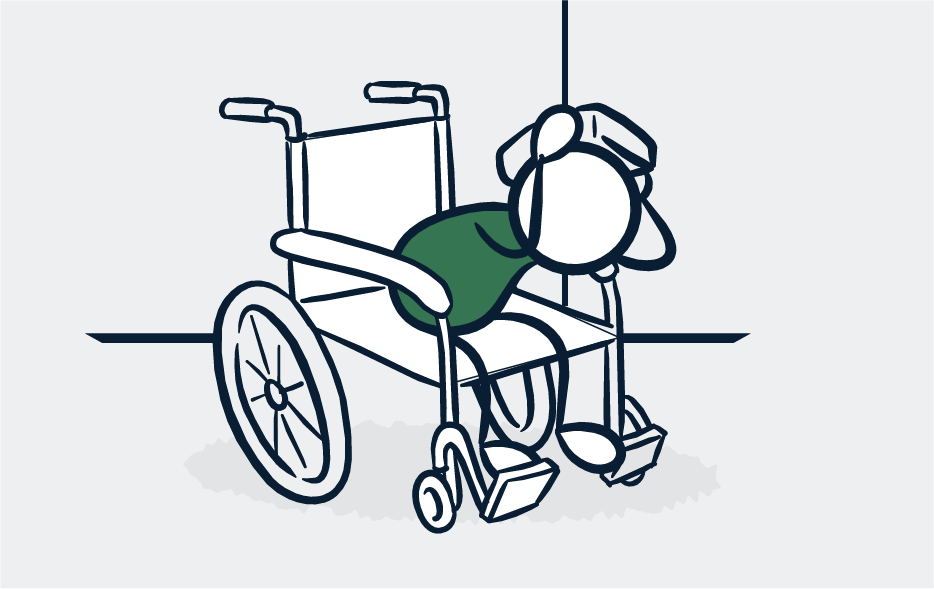
Use a wheelchair or walker?  Lock the wheels, bend forward, and cover your head and neck with your arms and hands. Hold on until shaking stops.

Immediately After the Shaking Stops

There are things you can do immediately after the shaking stops to be safe.
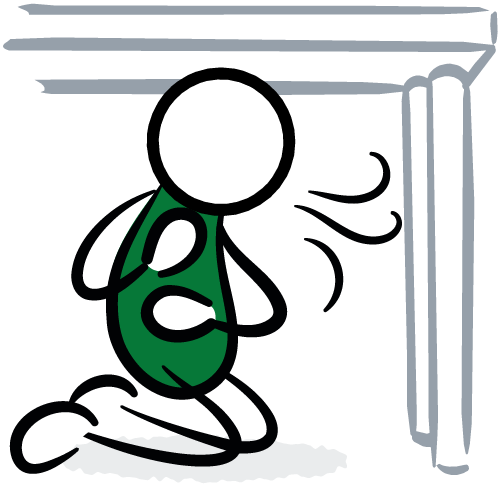
Take a moment to steady yourself before you act.
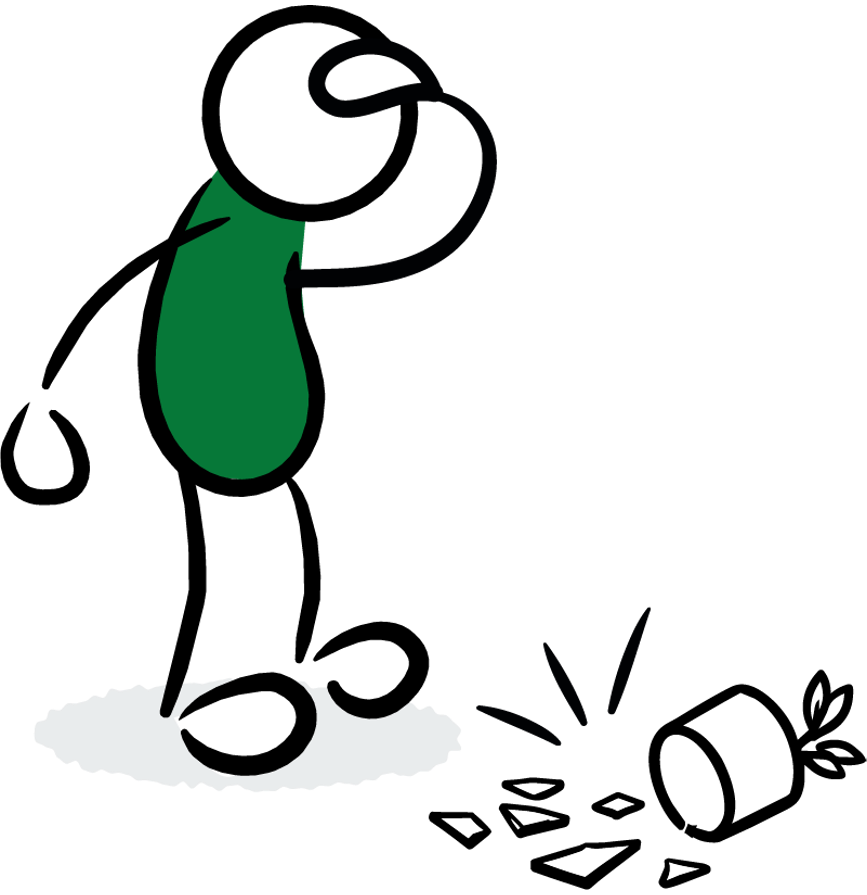
Breathe

Take a moment to steady yourself before you act.

Why This Matters

The moments immediately after earthquake shaking can be stressful and disorienting. This stress can make it harder to process information, recognize hazards, and decide what to do first. Taking a brief moment to steady yourself can help you focus on your immediate situation before you act.

What You Need to Know

  • Take a breath and get oriented.
  • Resist the urge to immediately rush somewhere or try to address everything at once.
  • Focus first on your own immediate situation and what requires your attention now.
  • If there is an obvious and immediate threat to life, take the action needed to get to safety.

Check yourself for injuries and assess your surroundings for damage and immediate hazards before you move.
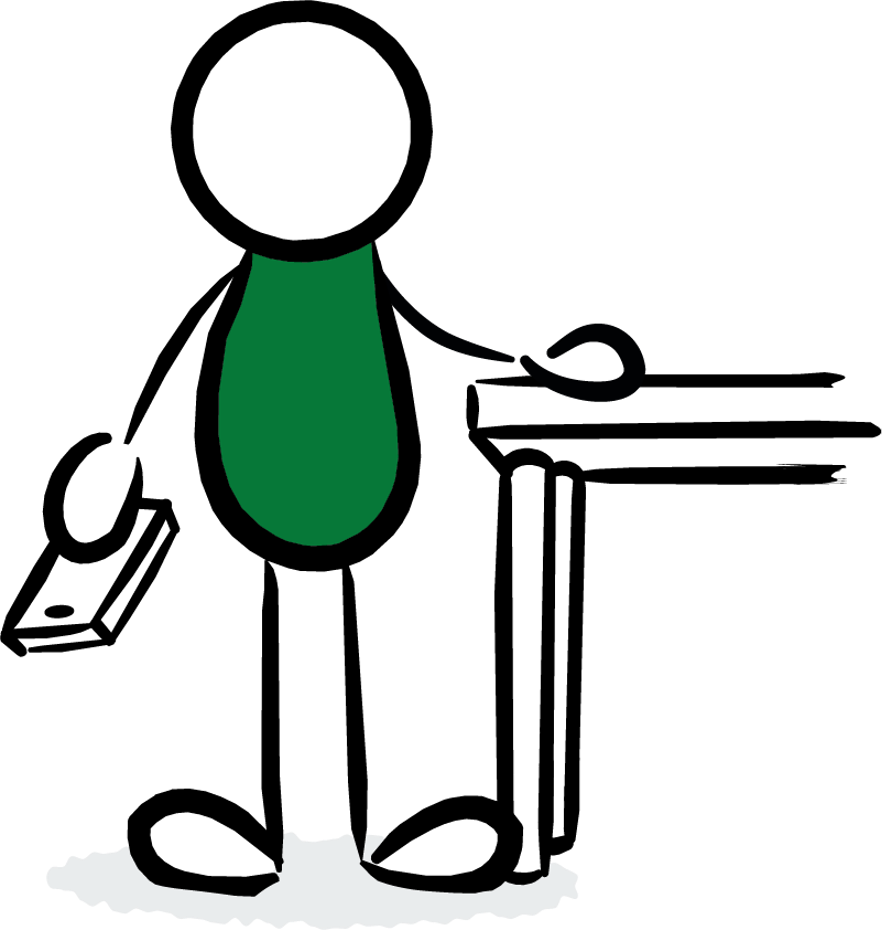
Survey for Safety

Check yourself and your surroundings before you move.

Why This Matters

Earthquake shaking can change the environment around you in seconds. You may be injured, objects may have fallen or shifted, utilities may be damaged, and buildings or other surroundings may no longer be safe. Assessing yourself and your surroundings before you move can help you avoid any additional injury and determine what you need to do next.

Check for Injuries

  • Check yourself for injuries before helping others.
  • Check others for injuries once you have addressed your own immediate safety.
  • Provide first aid if you are able.
  • Do not move someone who is seriously injured unless they are in immediate danger of further injury.

Assess Your Surroundings

Before moving, look for damage or hazards that could affect your safety, including:

  • Fire or smoke
  • Signs of a gas leak
  • Damaged electrical wiring or downed utility lines
  • Building or structural damage
  • Broken glass, fallen objects, or other debris
  • Other hazards created by the earthquake

If sturdy shoes are available, put them on before walking through areas where broken glass or debris may be present.

Decide Whether You Need to Move

Do not assume that the end of shaking means you should automatically evacuate.

Use what you observe to determine whether it is safer to stay where you are, move to a safer location, or evacuate.

  • Leave if there is an immediate threat such as fire, dangerous structural damage, or another condition that makes staying unsafe.
  • If you are in a tsunami hazard area and experience strong or long earthquake shaking, move inland or to high ground as soon as it is safe to move. Do not wait for an official warning.
  • If you do move, watch for debris, damaged stairs, downed utilities, and other hazards along your route.

Be Careful With Utilities

  • Do not automatically shut off utilities simply because an earthquake occurred.
  • Shut off gas only if you suspect a leak.
  • Stay away from downed electrical lines and anything touching them.
  • If electrical wiring is damaged and you can safely do so, shut off power at the main electrical panel.

More earthquakes may occur. Be ready to Drop, Cover, and Hold On again.

Be Ready for More Shaking

More earthquakes may occur. Be ready to Drop, Cover, and Hold On again.

Why This Matters

An earthquake may be followed by additional earthquakes, and some may produce strong shaking or cause additional damage. It is not always possible to know immediately whether the earthquake you just experienced will be the largest earthquake in the sequence. Staying ready to protect yourself again can reduce the risk of injury if more shaking occurs.

What You Need to Know

  • More earthquakes may occur.
  • Stay alert to objects, structures, or other conditions that may have been weakened by the earthquake.
  • As you move through your surroundings, remain aware of where and how you could protect yourself if you feel shaking or get more alerts (or another alert).
  • If you feel more shaking or get an alert, Drop, Cover, and Hold On again, or take other protective action appropriate for your situation.
  • After additional shaking stops, Survey for Safety again because conditions may have changed.